
Toilet Repair in Truckee, CA
A toilet that runs constantly, flushes poorly, or leaks around the base can quickly become more than a minor inconvenience. Toilet problems may involve the tank components, supply connection, drain line, or the connection between the toilet and the floor.
Our toilet repair in Truckee, CA focuses on finding the actual cause before replacing parts unnecessarily. Whether you have a clogged toilet, weak flush, leaking base, or a toilet that keeps refilling, we can assess the problem and determine the appropriate repair for your home's plumbing system.
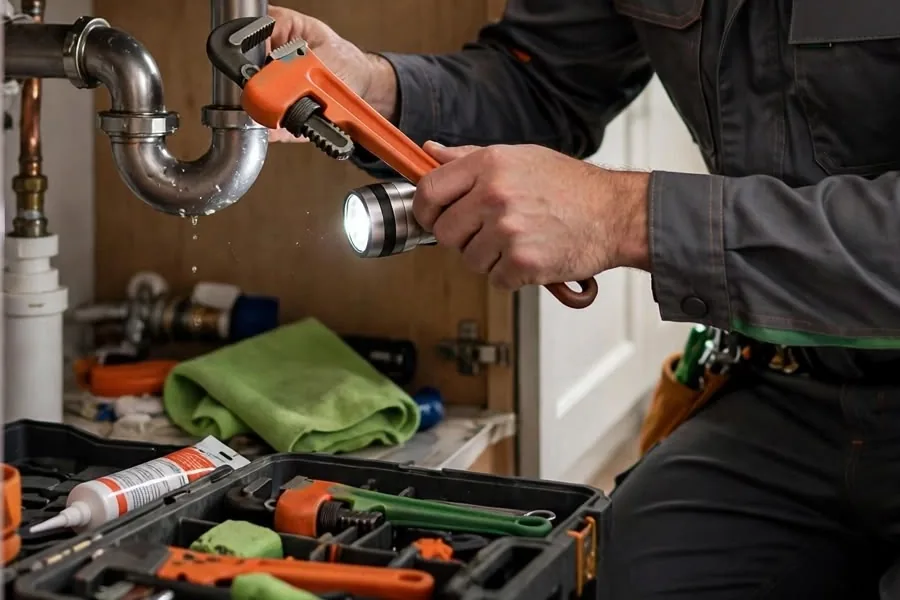
Toilet Problems That Need Professional Attention
Some toilet problems are easy to notice, while others develop gradually. Changes in flushing, water levels, sounds, or moisture around the fixture can indicate that a component needs attention.
Toilet Keeps Running After Every Flush
A toilet that continues running after the flush is complete may have a worn flapper, faulty fill valve, incorrect water level, or another tank component problem.
Although the sound may seem minor, continuous running can waste water. Inspecting the tank components can help determine which part is causing the problem.
Toilet Flushes Slowly or Incompletely
A weak flush can result from an issue inside the tank, restricted water flow, buildup in the toilet, or a developing blockage in the drain.
If adjusting the tank components does not resolve the problem, the drain and toilet itself may need further inspection to determine why the flush is not working properly.
Water Leaking Around the Toilet
Water around the toilet should not be ignored. A leak may come from the supply line, tank connection, toilet base, or another nearby plumbing component.
Identifying where the water originates is important because moisture around the base does not always mean the toilet itself is the source.
Toilet Makes Unusual Sounds Between Flushes
Hissing, intermittent refilling, bubbling, or other unusual sounds can indicate that water is entering the tank when the toilet should be idle.
Checking the fill valve, flapper, water level, and other tank components can help identify the reason for the noise.
Toilet Clogs and Drainage Problems in Truckee Homes
A clogged toilet can sometimes be cleared quickly, but recurring or difficult blockages may indicate a problem beyond the fixture itself.
Clearing a Toilet That Will Not Flush Properly
If the toilet bowl fills with water instead of draining normally, the immediate concern is usually an obstruction in the toilet or nearby drain.
Avoid repeatedly flushing a blocked toilet, as this can cause the bowl to overflow. Professional toilet clog repair in Truckee can help determine where the blockage is located and how it should be cleared.
Repeated Clogs That Keep Coming Back
A toilet that clogs repeatedly may have an obstruction that was only partially cleared. Buildup or a problem farther along the drain line can also contribute to recurring blockages.
When the same toilet continues having problems, investigating the underlying cause is more useful than repeatedly treating the symptom.
When a Toilet Clog May Involve the Drain Line
If other fixtures are also draining slowly, gurgling, or backing up, the problem may extend beyond the toilet. Multiple affected fixtures can point toward a larger drainage issue.
Our drain cleaning service can help investigate persistent drainage problems when the blockage is not limited to the toilet.
Toilet Flush and Tank Component Repairs
The tank contains several components that work together to fill, release, and control the water used during a flush. When one part wears out, the toilet may run, leak, or flush poorly.
Replacing Worn Flappers and Fill Valves
The flapper controls water leaving the tank during a flush, while the fill valve helps refill the tank afterward. A worn flapper can allow water to leak into the bowl, while a faulty fill valve can cause continuous running or improper filling.
Replacing the affected component can often restore normal operation without replacing the entire toilet.
Repairing Faulty Flush Handles and Chains
A loose or broken handle, chain, or connected mechanism can prevent the toilet from flushing correctly. The handle may feel loose, remain stuck, or fail to lift the internal flushing component properly.
Inspecting the mechanism helps determine whether an adjustment or replacement part is needed.
Correcting Water Level and Weak Flush Problems
The tank needs an appropriate water level for the toilet to flush correctly. If the level is too low, the flush may be weak or incomplete.
The fill system and other tank components can be checked to determine whether the water level is contributing to the problem.
Fixing Toilets That Constantly Refill
A toilet that repeatedly starts refilling even when it has not been flushed may be losing water from the tank into the bowl.
Checking the flapper, fill valve, overflow level, and related components can help identify the source of the water loss.
Toilet Leaks and Water Around the Base
Leaks around a toilet require careful attention because moisture can reach the flooring and surrounding materials if the source is not addressed.
Identifying Leaks From the Tank or Supply Line
Water may appear near the toilet even when the actual leak is higher up. The tank connection, supply line, shutoff valve, or other fitting can allow water to travel downward.
Inspecting the accessible connections can help distinguish a supply-side leak from a problem at the toilet base.
Checking the Toilet Base and Floor Connection
If water appears around the base after flushing, the connection between the toilet and drain may need inspection. The condition of the surrounding floor should also be considered.
A proper diagnosis helps determine whether the issue involves the toilet connection, flooring, supply line, or another source.
Addressing Hidden Moisture Before It Spreads
Repeated moisture around a toilet can affect flooring and nearby materials if it remains unresolved. Swelling, discoloration, soft flooring, or persistent dampness should be investigated.
If the source of moisture is unclear, professional leak detection can help determine whether another plumbing connection is responsible.
Toilet Repair or Replacement: Which Makes Sense?
Not every toilet problem requires a new fixture. In many cases, replacing a worn internal component can restore normal operation. However, there are situations where replacement may be more practical.
When a Simple Repair Can Restore the Toilet
A repair may make sense when the toilet bowl and tank are in good condition and the problem is limited to a replaceable component.
Worn flappers, fill valves, handles, supply connections, and similar parts can often be addressed without replacing the complete fixture.
When Frequent Repairs Point to Replacement
Repeated failures, significant damage, cracks, or an aging toilet with multiple problems may make replacement worth considering.
The condition of the existing fixture and the cost and scope of ongoing repairs should be considered before deciding between repair and replacement.
Choosing a Toilet for Your Existing Plumbing Setup
A replacement toilet needs to work with the home's existing plumbing configuration and available space. The connection, rough-in, water supply, and bathroom layout can all affect the installation.
A professional plumber can evaluate the existing setup and help determine what type of replacement will work with the plumbing.
Toilet Plumbing for Truckee Homes
Truckee homes vary in age, occupancy, and plumbing configuration. These differences can affect how toilet problems develop and how repairs should be approached.
Older Toilets With Aging Components
Older toilets may have worn fill valves, flappers, seals, handles, or other internal components. Aging connections can also become more susceptible to leaks.
Replacing the specific worn component may restore the toilet without requiring a complete replacement, depending on its overall condition.
Plumbing Concerns During Cold Truckee Weather
Cold weather can affect plumbing in areas that are exposed to freezing temperatures. Toilets and their connected supply lines can be vulnerable when portions of the plumbing are not adequately protected.
Toilets in Seasonal and Vacation Homes
Toilets in homes that remain unoccupied for extended periods may develop problems that are not discovered immediately. A leaking supply connection or running toilet can continue unnoticed until the property is occupied again.
Checking plumbing fixtures after a property has been vacant can help identify problems before they become more disruptive.
Professional Toilet Repair in Truckee
A toilet repair should address the actual cause rather than simply replacing the first component that appears faulty. Our approach begins by examining the fixture, tank components, water supply, drain connection, and surrounding area as needed.
Licensed and insured plumbing service helps ensure that repairs are handled professionally. We also take care around bathroom flooring and surrounding fixtures while working.
After the repair, the toilet can be flushed and checked for proper filling, drainage, secure connections, and signs of leakage.
For other residential plumbing needs, see our pipe repair and residential plumbing services pages.
Need Toilet Repair in Truckee?
Whether your toilet is running continuously, leaking, flushing poorly, or repeatedly clogging, getting the cause identified can help determine the right repair.
Schedule Your Toilet Repair Service
Contact our Truckee plumbing team to discuss the toilet problem and arrange a service visit. We can inspect the fixture and connected plumbing to determine what needs attention.
Request a Free Estimate
After assessing the problem, you can receive a clear explanation of the recommended repair. Request a free estimate for toilet repair in Truckee, CA today.